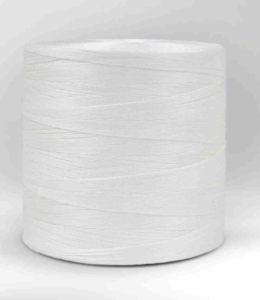
High-temperature applications-such as thermal insulation systems, aerospace, and industrial furnaces-demand lacing cords that can withstand extreme heat, resist chemical exposure, and maintain mechanical strength. The right choice reduces downtime and improves long-term reliability.
1. Understand Your Temperature Requirements
Start by identifying the maximum continuous temperature and any short-term spikes your application may experience. Different materials are engineered to perform within specific temperature ranges.
Fiberglass cords: up to 1,000°F (537°C)
- Aramid (Kevlar®) cords: up to 932°F (500°C)
- Silica cords: up to 1,800°F (982°C)
2. Consider the Environment
Evaluate exposure to chemicals, abrasion, moisture, and UV light. Silica offers excellent heat resistance, while aramid provides superior strength and cut resistance.
3. Match Construction to the Application
Braided constructions deliver flexibility and ease of installation, while twisted cords may offer higher tensile strength. Choose the diameter and construction that fit your lacing pattern and load needs.
The right lacing cord isn’t just about heat resistance-it’s about total performance in your exact operating conditions.
LACINGCORDS.COM TECHNICAL TEAM